Winter is here, bringing with it shorter days and colder weather. While some enjoy the relief from the summer heat that winter offers, it can be a difficult time for those with osteoarthritis (OA). Whether it’s the stiffness when you wake up or that dull ache that creeps in by evening, winter has a way of making OA harder to manage. But why does this happen, and what can you do about it?
Below, we explore the link between cold weather and joint pain, providing practical tips to help you manage additional joint pain so you can keep moving confidently.
While having your knees be able to predict the weather may be a nifty party trick for the grandchildren, the link between joint pain and the weather is all too real for many OA sufferers. Colder weather is commonly linked to increased joint stiffness, pain, and reduced mobility. Although the exact reasons for this may differ, there are several theories that explain why cold weather and joint pain go together.

Barometric pressure, or the weight the atmosphere exerts on objects, is one of the primary reasons your joints may feel worse during colder weather. One theory as to why this occurs has to do with cartilage loss. Scientists have theorised that as your cartilage wears down, nerve endings are exposed, causing them to become more sensitive. This means that the nerves are able to detect shifts in pressure.
Another theory is that the lowering of barometric pressure means the air pressure exerted on your body decreases. This change causes muscles, scars, and tendons to expand and contract, exerting more pressure on our nerves, resulting in heightened pain signals.
Colder weather can also impact the viscosity of the fluids inside your joints. This fluid is crucial in lubricating the joint. When it becomes thicker due to cold weather, it becomes less slippery. This means more friction inside the joint, resulting in pain.

Colder weather can also impact the viscosity of the fluids inside your joints. This fluid is crucial in lubricating the joint. When it becomes thicker due to cold weather, it becomes less slippery. This means more friction inside the joint, resulting in pain.

Layer up in warm clothing like gloves and long johns to avoid your joints becoming too cold. You can also opt for looser fitting clothes to reduce the pressure on your joints.
Everyone tends to move less in winter, leading to stiff joints. Although it might be the last thing you feel like doing, keeping up with your regular exercises can be a big help in maintaining flexibility and strength.


While your diet certainly won’t reverse any joint damage, certain foods have been shown to help reduce inflammation and support your immune system. Eating right during winter can help you manage your pain and help reduce the chances of catching the winter colds.
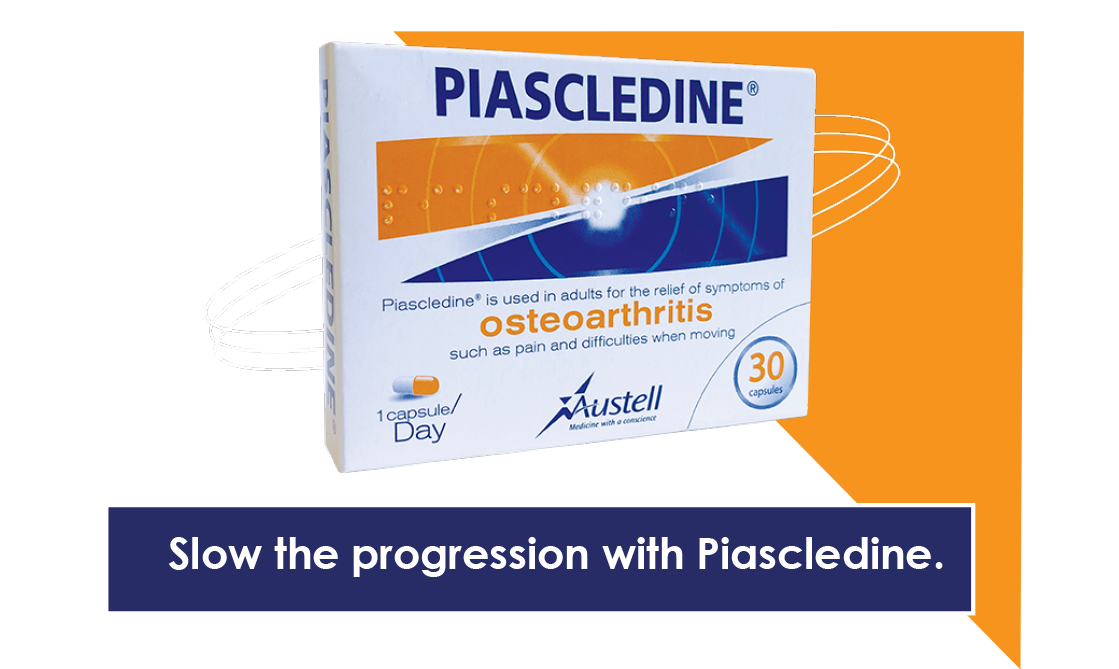
For long-term relief, it’s important to choose medications that not only ease inflammation but also help address the wear and tear in your joints. Piascledine is an example of such a medication. It works via a dual mode of action, reducing inflammation and helping to rebuild damaged cartilage over time, supporting joint health beyond symptom control.
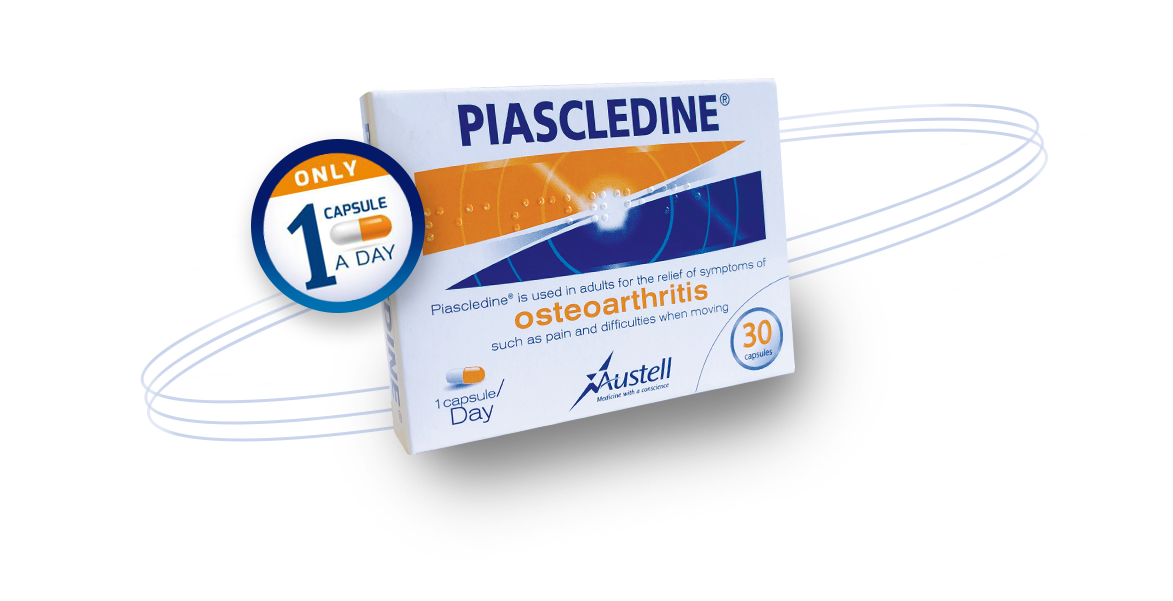
Winter can be tough on joints, but it doesn’t have to put your life on hold. By understanding the connection between cold weather and osteoarthritis, you can take smart steps to protect your joints. Staying warm, active, and informed can go a long way in keeping you moving, even when temperatures dip. Through every season, Piascledine has your back, providing pain relief and slowing the progression of OA so you can get the most out of every season.
For long-term joint support, remember that managing osteoarthritis is about more than just short-term pain relief; it’s about supporting your joints for the journey ahead.