According to the Word Health Organisation, the number of people living with osteoarthritis increased by
113% between 1990 and 2019. Although this is in part influenced by the aging population, social changes like increasing rates of obesity and injury have resulted in OA starting to affect younger adults too. Although genetics do influence your chances of developing OA, there are some small changes that you can start today to help delay or even prevent the onset of OA or even slow down the progression of the disease.
Here are five effective ways to protect your joints and maintain a healthy, active lifestyle.
According to
recent reports, among the more than 100 forms of arthritis and related diseases, osteoarthritis is the most common. This degenerative joint disease typically affects individuals over the age of 50 and is particularly common in women. Characterised by the breakdown of cartilage in the joint over time, sufferers of OA experience varying degrees of stiffness and pain depending on the
stage.
Preventing OA involves a few simple tweaks to your lifestyle and habits. The most important thing to consider is that it is never too early or too late to start. Even if you are already experiencing the symptoms of early OA, making these 5 small changes can help slow your progression.
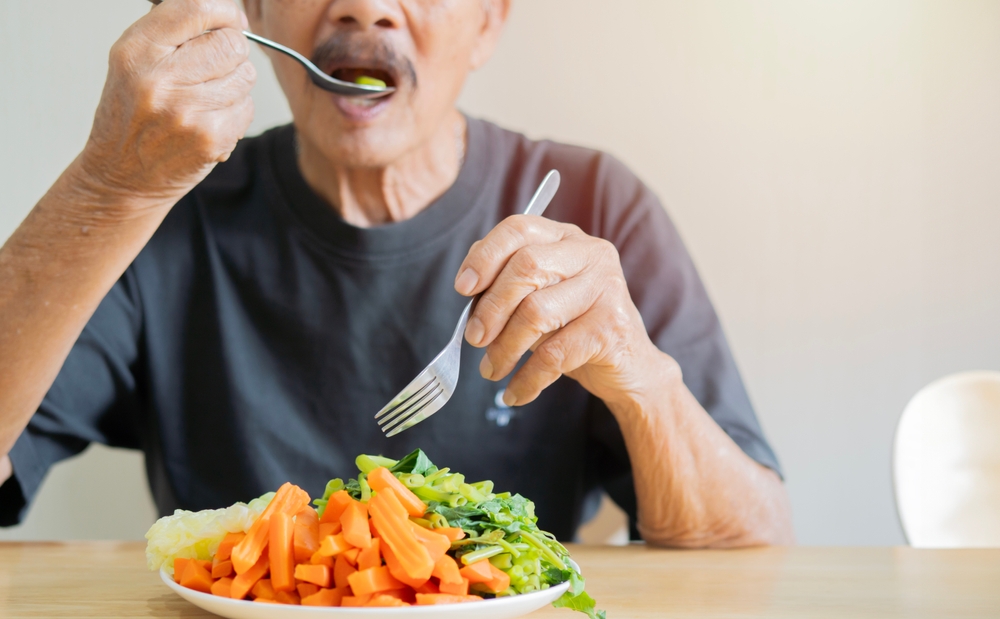
Leafy greens, fish, nuts, and berries are all good groups to include in your diet as well as substituting processed foods for more whole foods.
It is never too early or too late to start taking care of your joints. Whether you are looking to prevent osteoarthritis or slow its progression, making small, proactive changes can have a significant impact on your long-term joint health. By incorporating regular exercise, maintaining a healthy weight, protecting your joints, following an
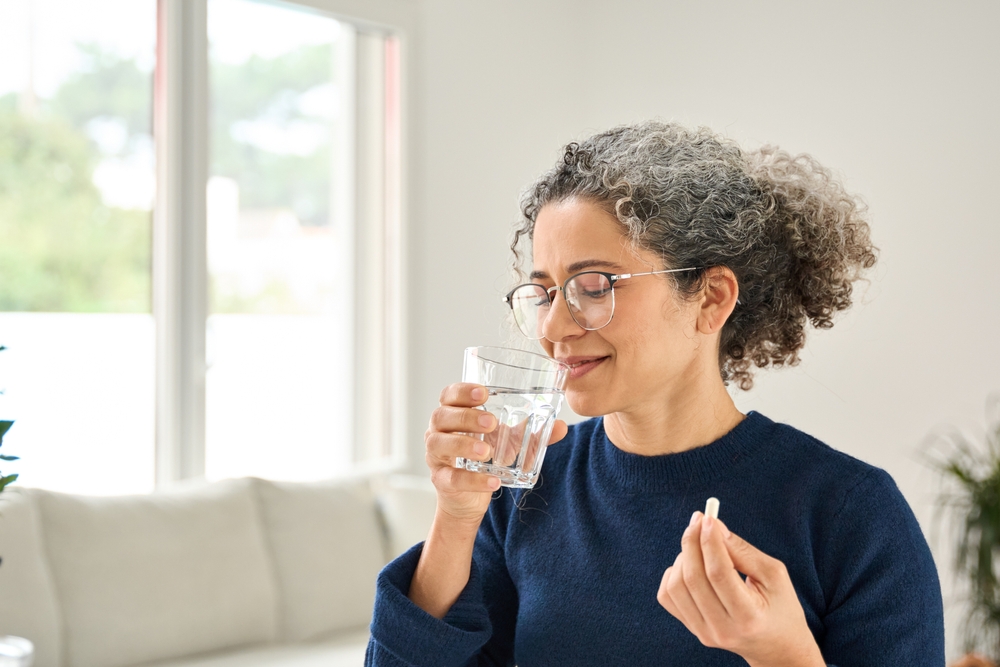
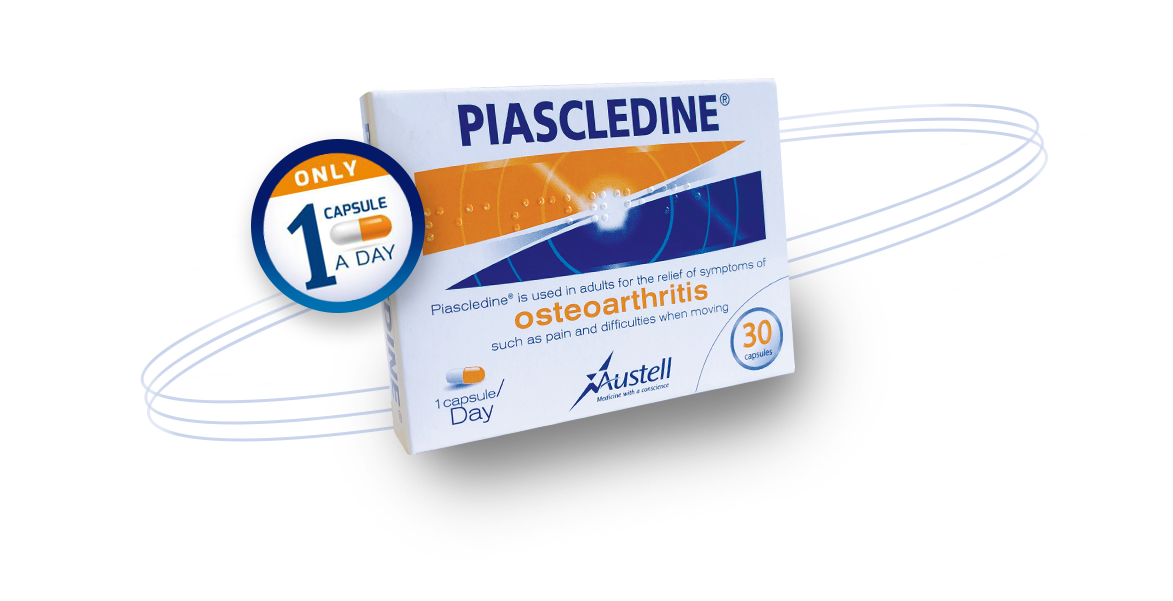
anti-inflammatory diet, and considering supportive supplements, you can take control of your joint health today. If you are already experiencing some joint pain and stiffness, medications like Piascledine are clinically proven to
reduce joint pain and stiffness and even aid in stimulating the repair of damaged cartilage.
No matter your age or current condition, these steps can help you stay active, mobile, and pain-free for years to come.