Osteoarthritis (OA) is the most common form of arthritis, affecting around 12.4 million people worldwide, especially those over the age of 65. While anyone can develop OA, research has shown that it disproportionately affects women, particularly after menopause. But what is the link between menopause and joint pain?
In this article, we explore the latest findings to answer not only “can menopause cause joint pain?”, but also to uncover why osteoarthritis in women tends to be more common and often more severe. From hormonal changes to structural differences, we break down the factors contributing to this trend and what women can do about it.
Although hormone changes during menopause contribute significantly to the increased risk of developing OA, women’s hormones start to play a role long before. Research has shown that the fluctuation in hormone levels that women experience as part of their monthly cycle may also play a role. Increased hormone levels during certain stages increase joint laxity, which basically means joints are too mobile, making them unstable. This has been associated with joint instability and injury, two factors that are known to increase your risk of developing OA later in life.

The short answer is yes. Menopause can cause joint pain. Menopause signals the start of significant changes in hormone levels. This, in turn, has been shown to greatly increase the risk of developing OA as well as the start or worsening of joint pain. Rather than being caused by old age, as many like to joke, this pain is in part due to a drop in oestrogen levels.
Some research has suggested that this is due to a link between oestrogen and the cartilage in your joints. Other research took a different approach, comparing the joints of postmenopausal women who took hormone replacement therapy with those who did not. The results again pointed towards a link between oestrogen and cartilage health.
While this research is still in the beginning stages and more evidence is required, what we do currently have does suggest that the lower levels of oestrogen experienced during and after menopause impact cartilage health, and so increase the risk of OA and joint pain.
While menopause is a key turning point, it's not the only reason women are at higher risk. Structural and biomechanical differences also play a role. So, why are females more prone to osteoarthritis?

On average, women have less muscle mass than men. Strong muscles act as shock absorbers for the joints, so lower muscle strength may result in more mechanical stress over time.
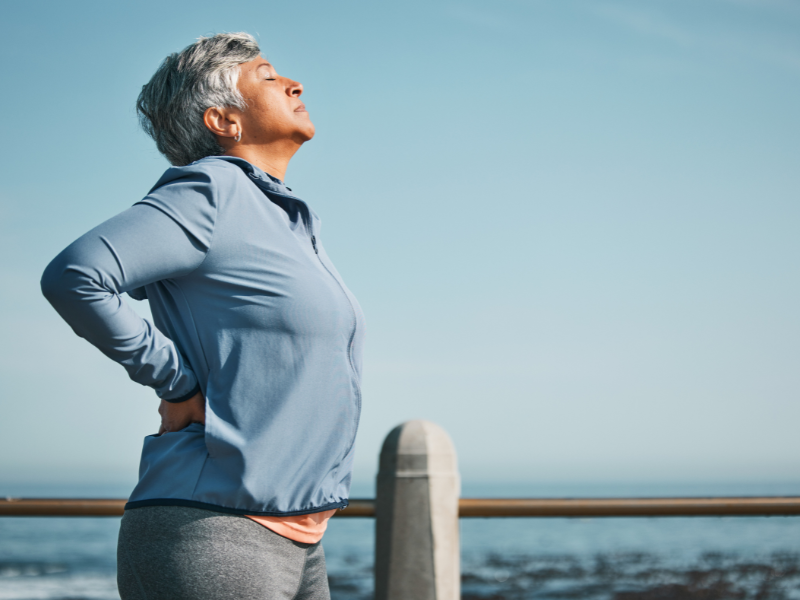
Women typically have a wider pelvis than men, which leads to a greater angle between the hip and knee, known as the Q-angle. As a result, women tend to experience more stress and wear and tear on their knee joints. Women also tend to have less cartilage in their knees compared to men, making any damage more noticeable.
Managing OA symptoms usually involves a combination of pain relief medications and lifestyle changes like diet and exercise. This approach relies heavily on non-steroidal anti-inflammatories (NSAIDs) to manage pain symptoms. While these are effective, they do come with some side effects, especially with long term use. They also do nothing to treat the underlying problem, providing only a temporary solution for the symptoms, doing nothing to help slow the progression of the disease.
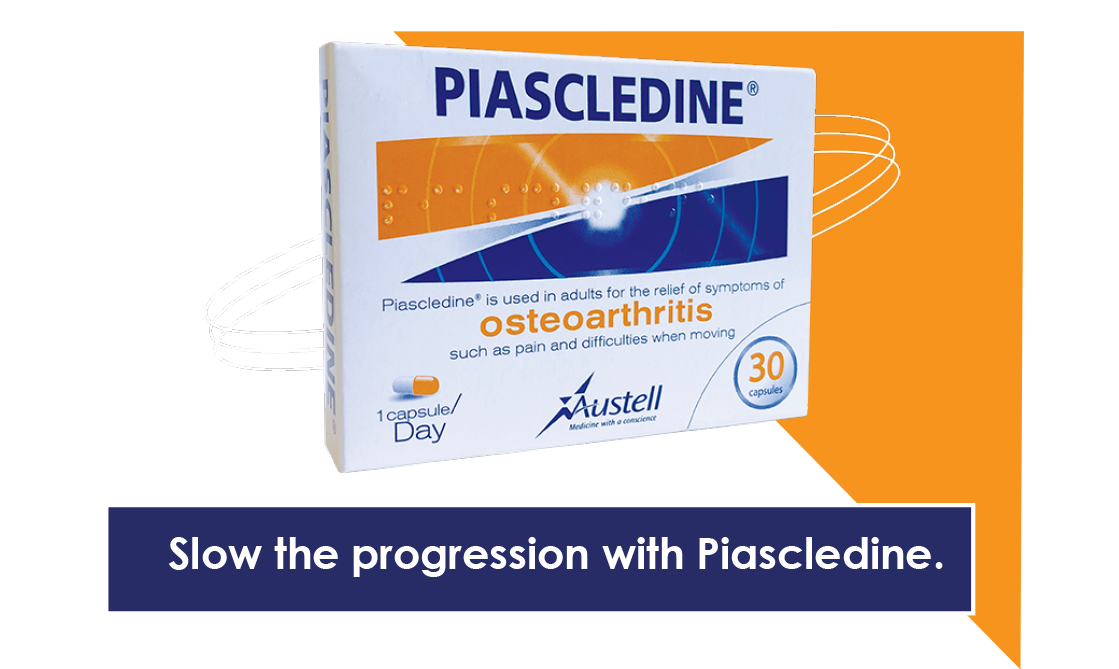
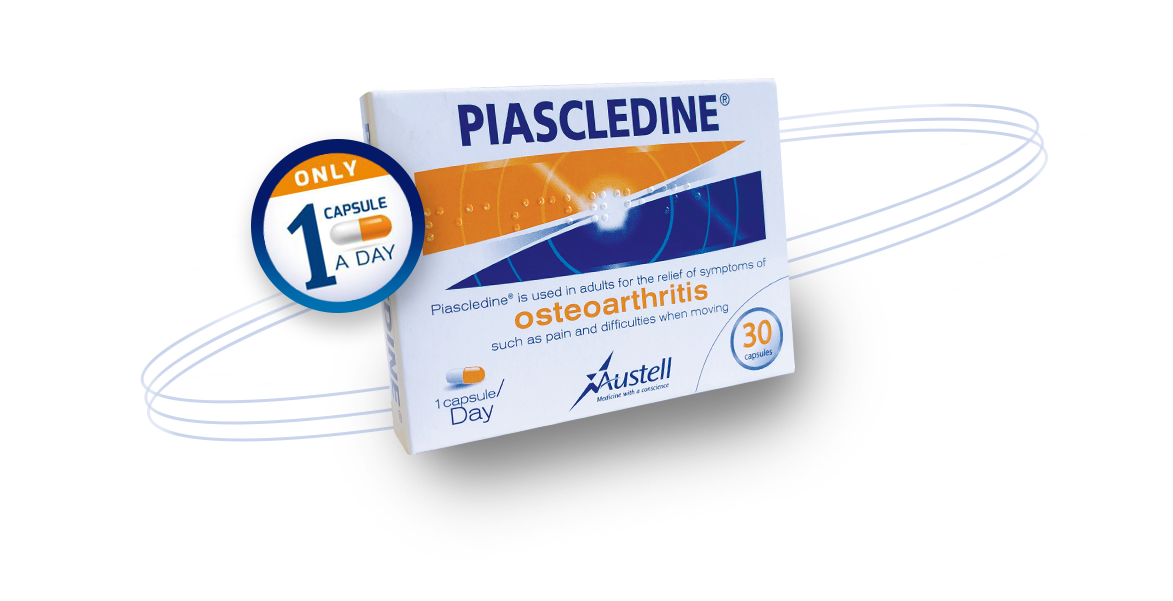
But Piascledine takes a different approach to OA pain management. Specifically developed for osteoarthritis, Piascledine has a unique 4-in-1 mode of action. Rather than simply masking the pain, Piascledine works to support the structure of the joint and may help slow the progression of the disease over time. For women entering midlife and beginning to experience changes in joint comfort, this can be a crucial part of managing symptoms and staying mobile.
So, can menopause cause joint pain? The evidence suggests it can and often does. The drop in oestrogen during menopause appears to be the cause, affecting the health of cartilage tissue and contributing to the development and worsening of osteoarthritis in women. While structural and muscular differences add to the risk, menopause marks a key turning point for women.
Understanding this link can help women take early action, supporting their joints through lifestyle changes and treatments that not only ease discomfort but help to slow the progression of the disease.