The knee is the most commonly affected joint in osteoarthritis (OA), accounting for more than 80% of the overall burden of OA globally. According to the World Health Organisation, osteoarthritis of the knee affects approximately 13% of women and 10% of men over the age of 60.
One common non-invasive option for managing knee osteoarthritis is using a knee brace, which provides additional support and complements the pain relief provided by medication. However, many people wonder just how effective a knee brace truly is for osteoarthritis.
The effectiveness of knee braces is well documented; however, picking a brace is not a one-size-fits-all process. In this blog, we unpack how knee braces help, the different types of knee braces, and when using one may be beneficial for managing knee OA symptoms.
OA is a degenerative disease, often bringing sufferers activity to a grinding halt as cartilage tissue breaks down, leading to pain and instability in the joint.
Knee braces are designed to support the knee by redistributing weight, improving alignment, and providing stability. Knee guards can also provide compression, helping to reduce swelling. This combination of support and compression can help to get people with OA moving again, improving mobility,
reducing pain, and helping them feel more confident in their ability to control movements.
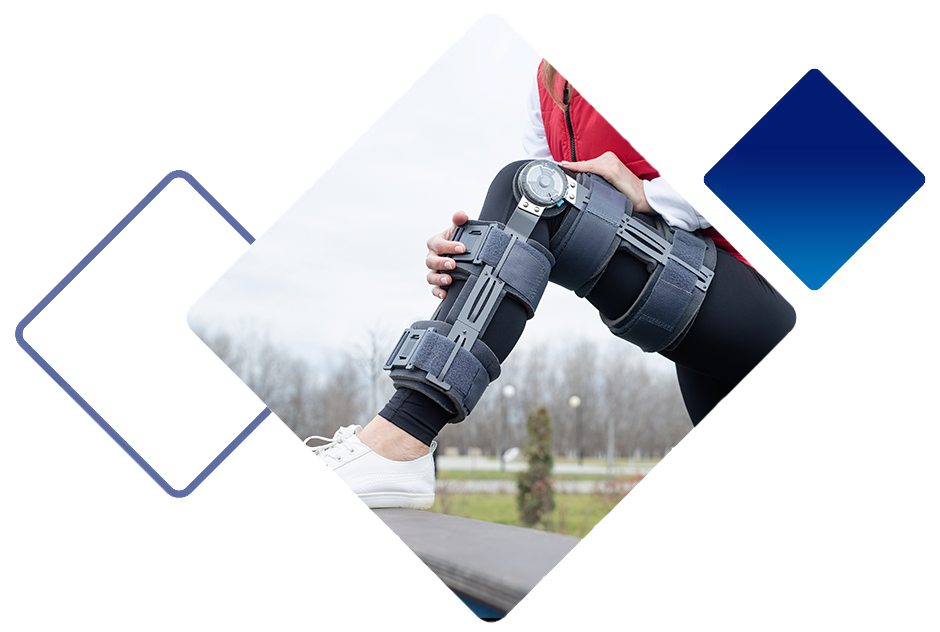
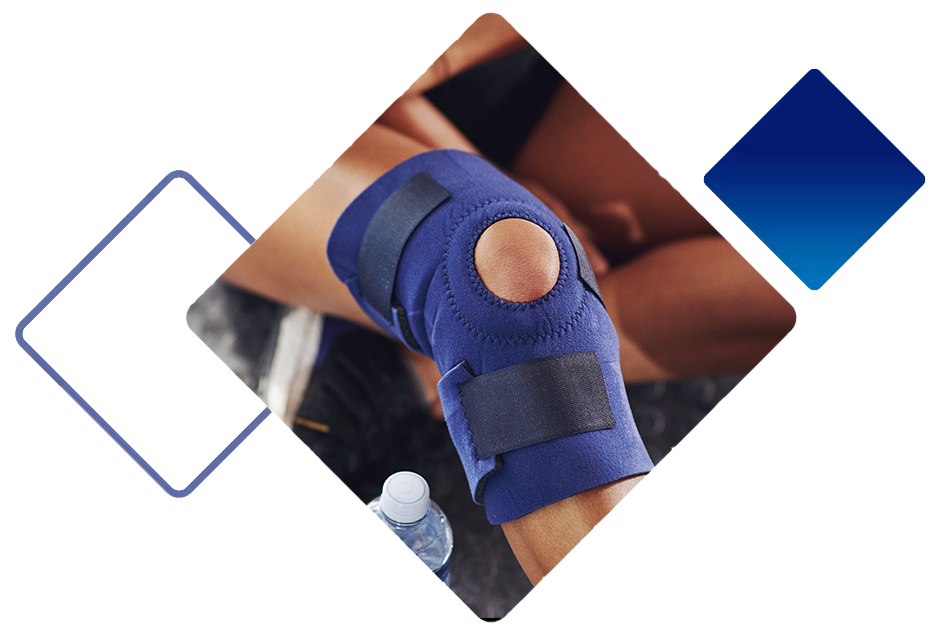
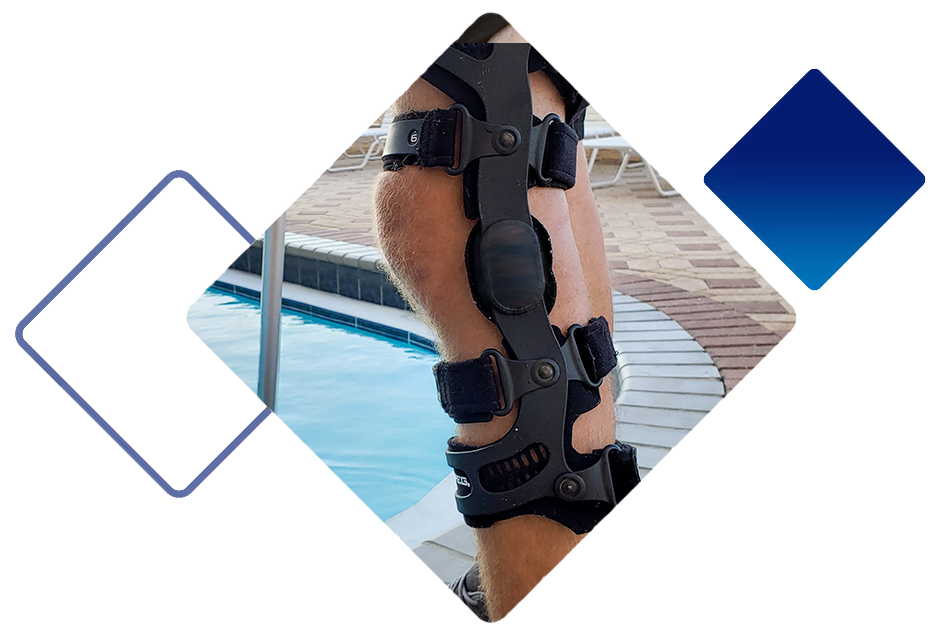
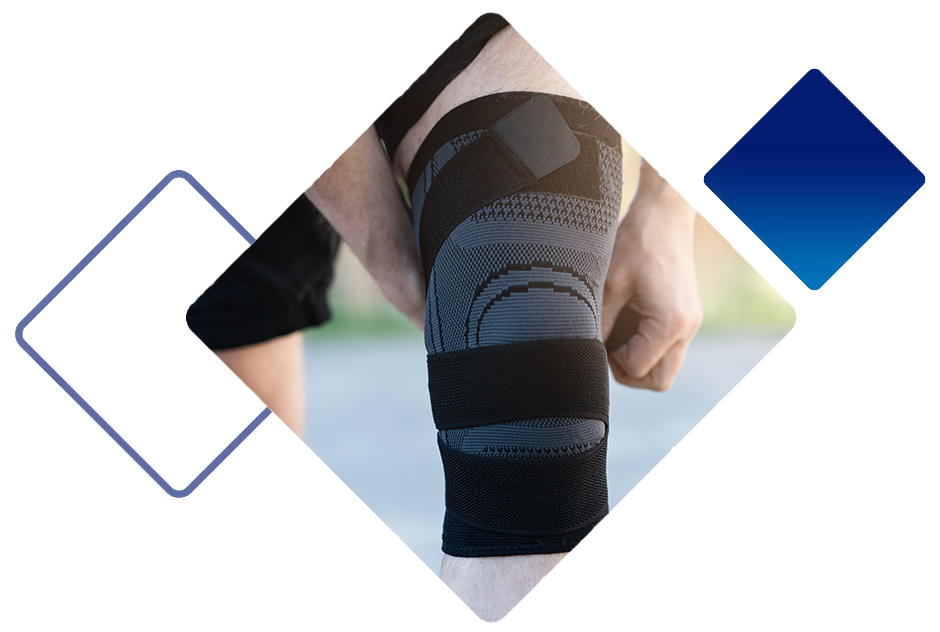
There are several different types of knee braces for osteoarthritis, each with unique functions tailored to the needs of the patient. It’s important to consult a healthcare provider to determine which type is suitable based on the severity of OA and individual needs. Below are some of the most recommended types of knee braces for osteoarthritis:
Studies have found that patients who used knee braces experienced improved quality of life and increased physical function. Knee braces are most effective when used as part of a comprehensive treatment plan that includes physical therapy, medication, and lifestyle modifications. It is also important that the brace be well fitted and the correct type of brace to suit your diagnosis.
However, it’s important to note that braces should not be relied on exclusively. Strengthening the muscles surrounding the knee, maintaining a healthy weight, and engaging in
low-impact exercises are equally crucial to managing osteoarthritis.
Knee braces can be a valuable
tool in managing osteoarthritis. By providing additional support a knee brace for osteoarthritis can alleviate pain, improve function, and enhance overall mobility. However, always remember knee braces work best when part of a treatment plan that includes exercise, physical therapy, and
medication like Piascledine.
For those considering a knee guard for osteoarthritis, it’s essential to consult a healthcare professional to choose the appropriate type of brace and ensure it complements other treatment methods.